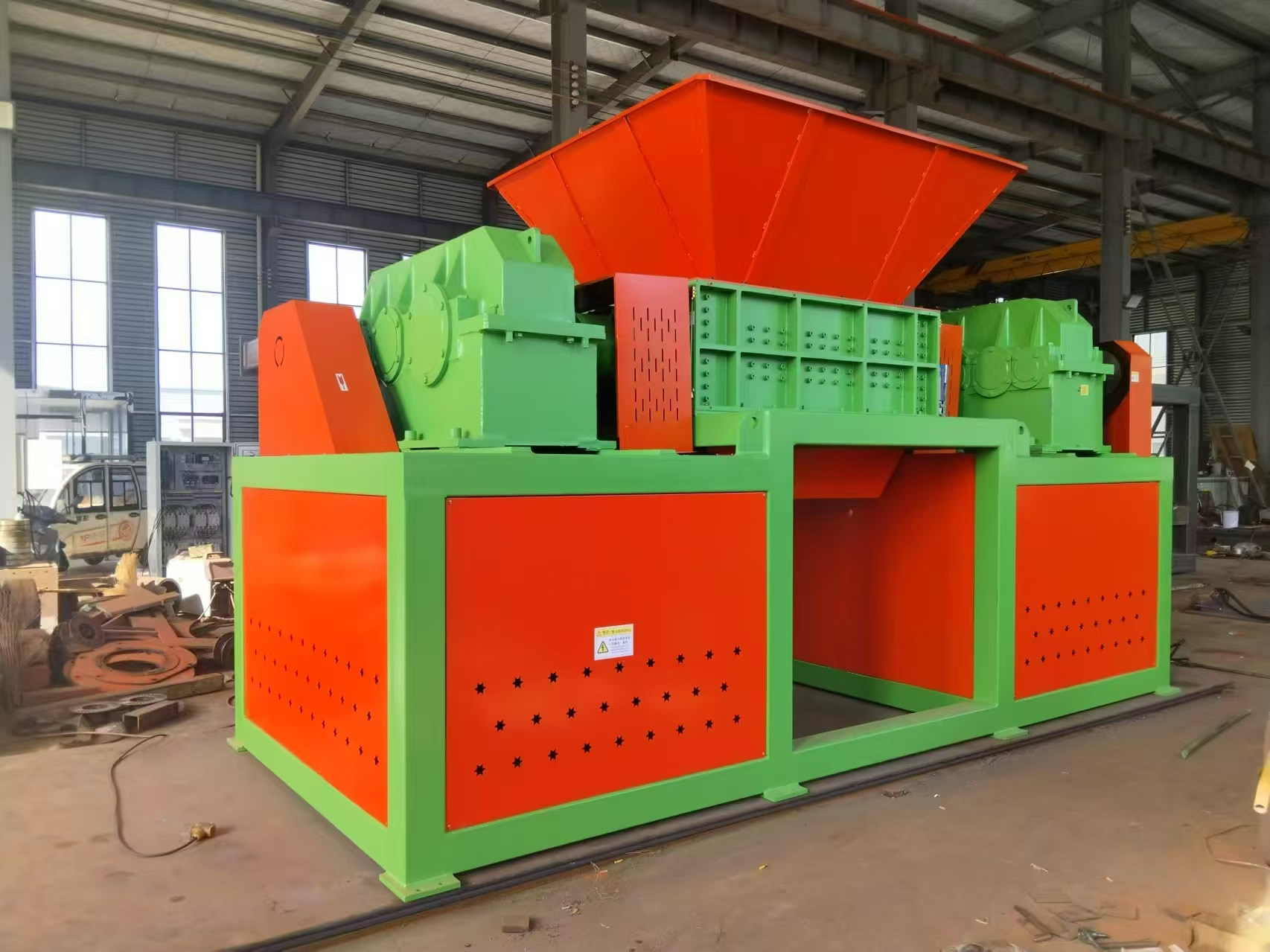
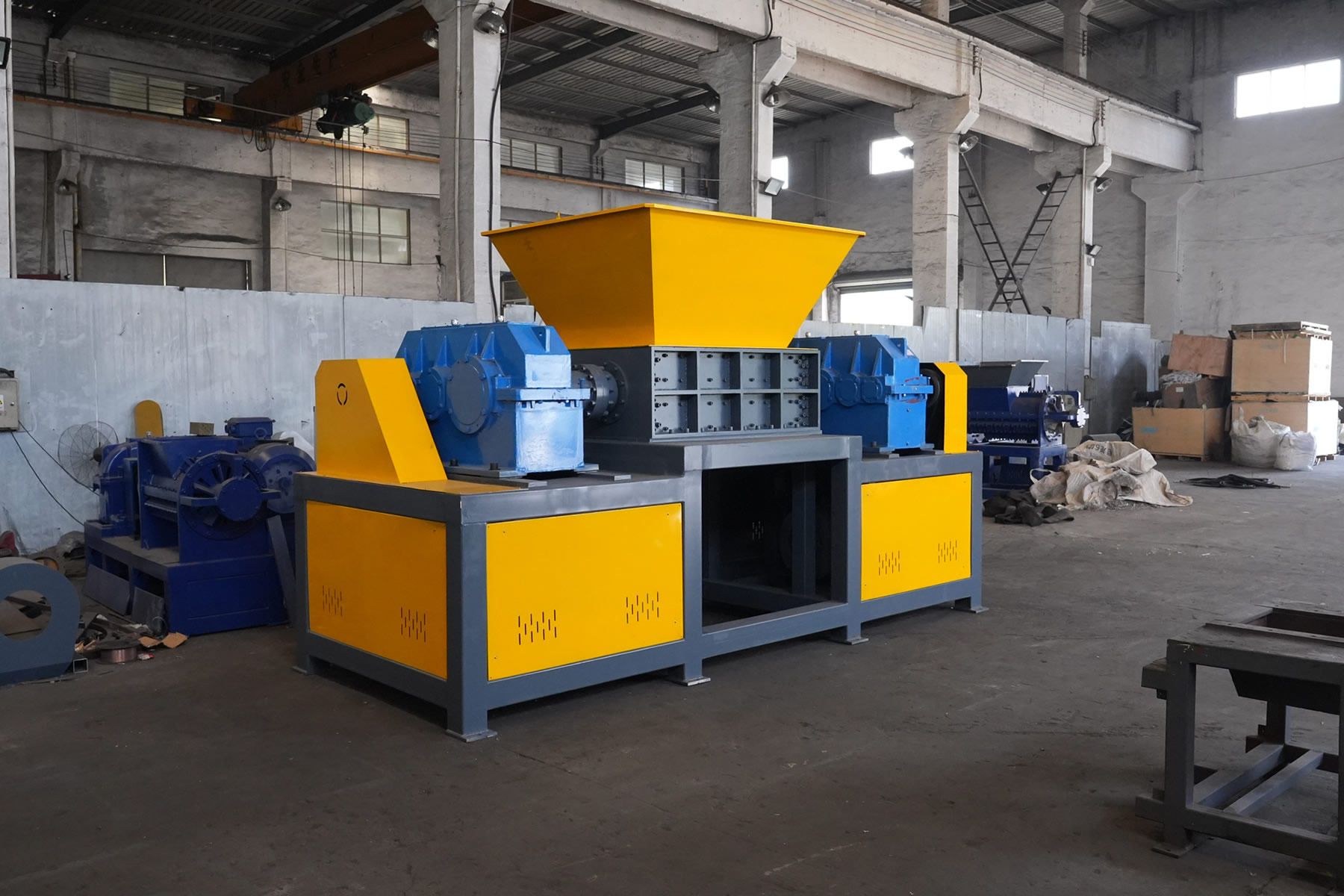
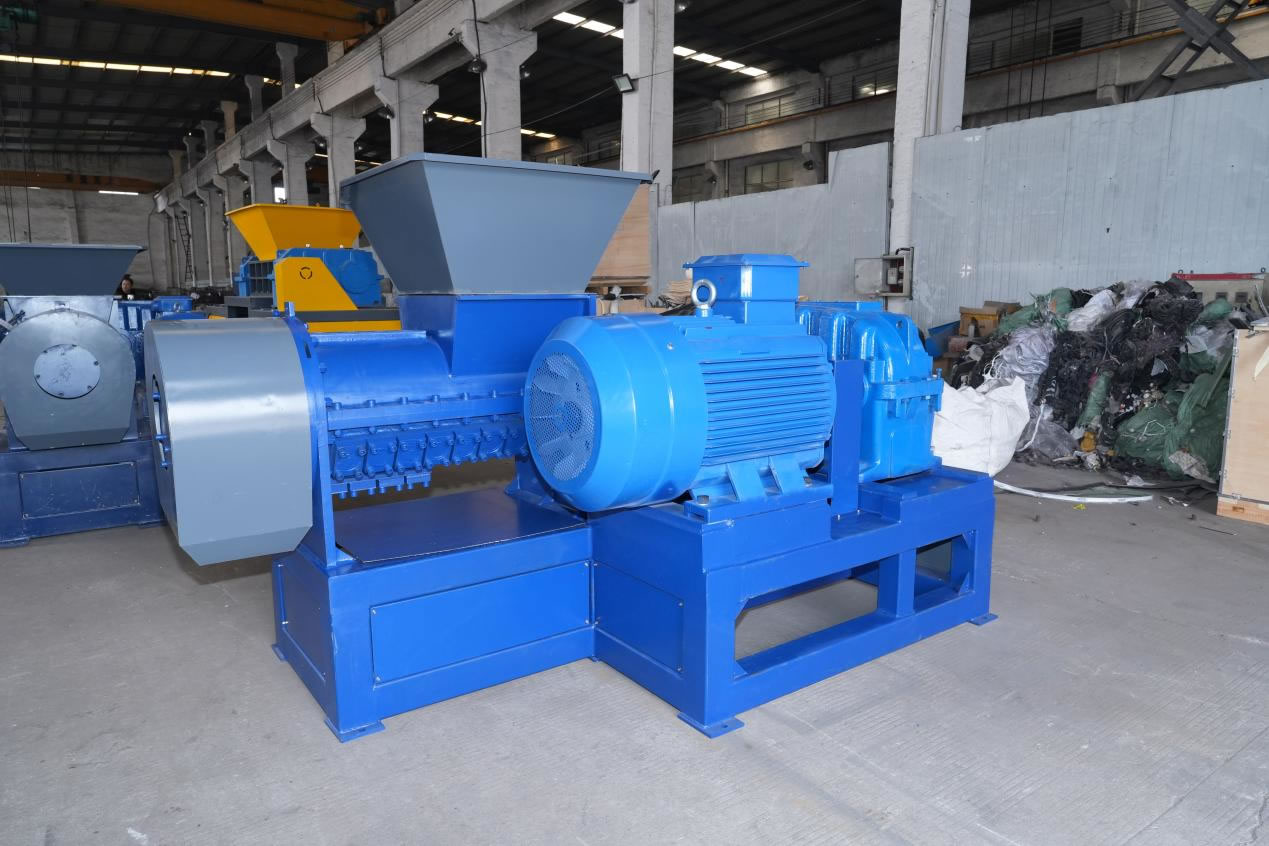
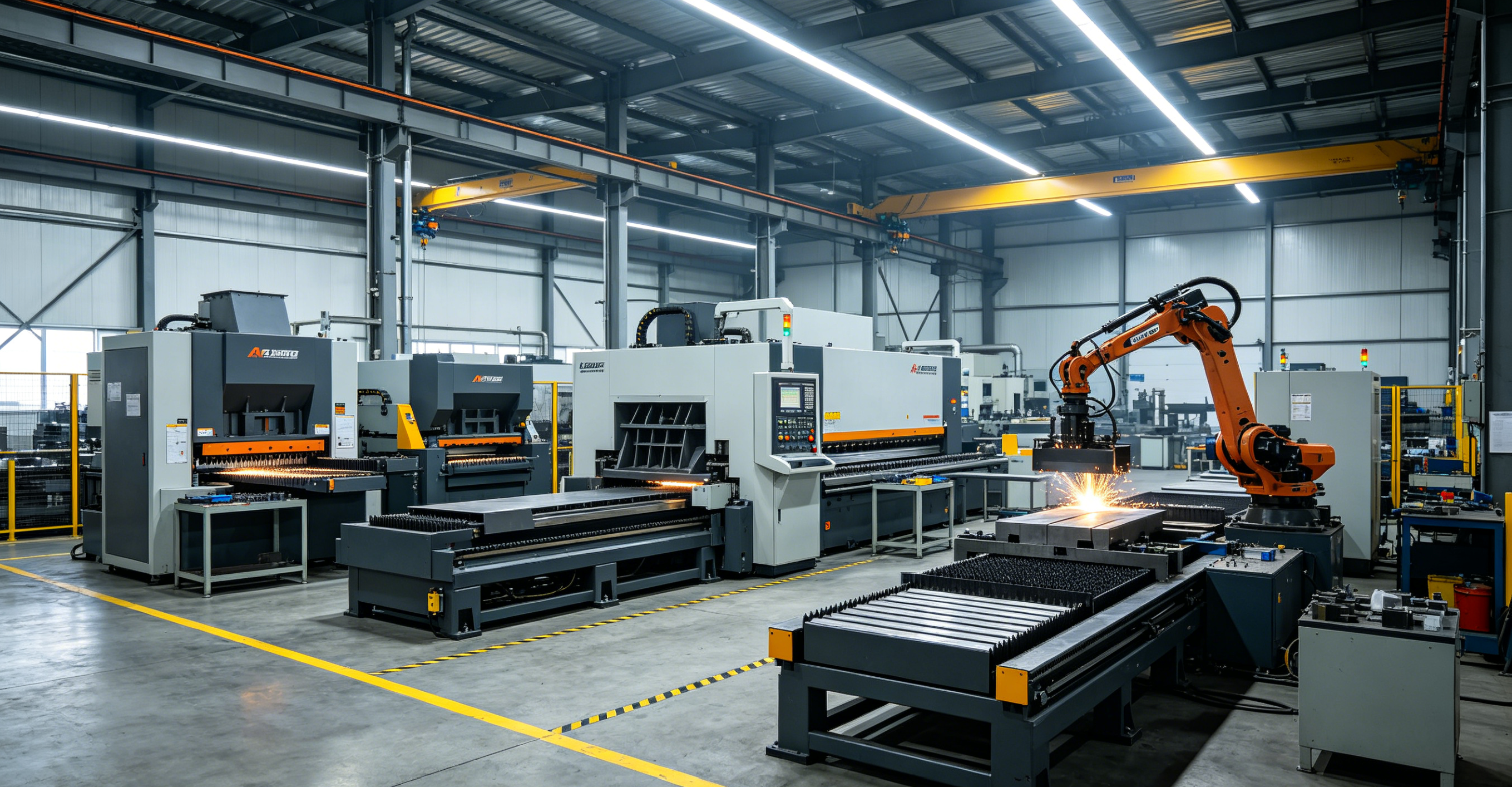
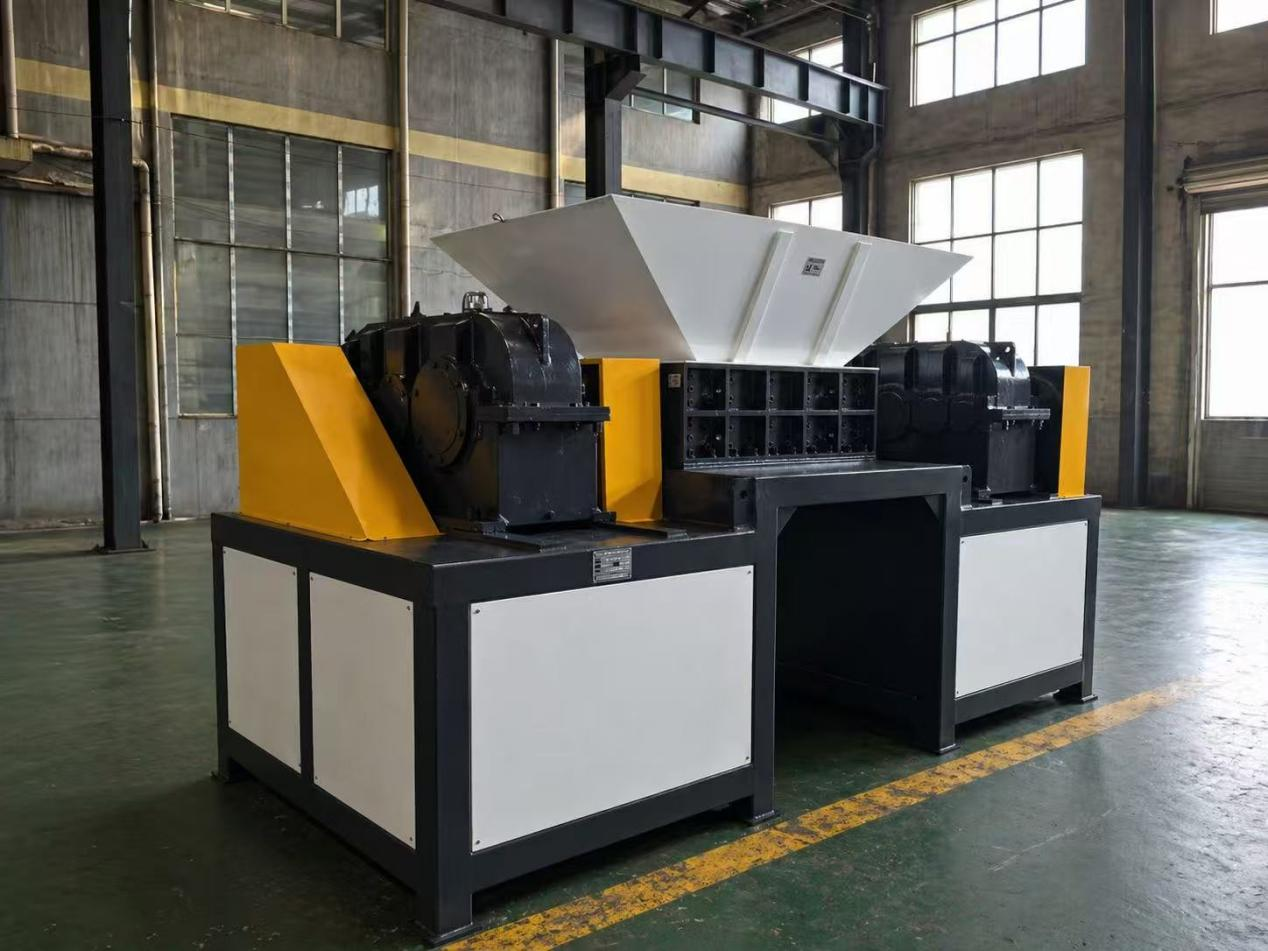
Drawing on years of experience in the production and manufacturing of recycling equipment, Luma Machinery points out that the new generation of shredders will be developed and iterated around three core directions: performance upgrades, intelligent configurations, and a modular machine architecture.
High Performance Builds the Core Competitiveness of Industrial Shredders
Processing efficiency and capacity are key evaluation metrics for modern recycling projects. Future industrial shredders will feature advanced transmission technologies, intelligent power management systems, and high-torque motors, enabling faster crushing speeds and a substantial increase in single-machine output.
Luma Machinery’s latest self-developed shredding equipment optimizes the shear structure, reinforces the main shaft, and is equipped with heavy-duty transmission assemblies, allowing it to efficiently handle various difficult-to-crush materials such as scrap metal, used tires, plastic drums, electronic waste, wooden pallets, aluminum profiles, and municipal solid waste.
In addition to increased capacity, the improved shearing precision and enhanced operational stability help recycling companies reduce downtime, boost material recovery rates, and enhance overall project profitability.
Intelligent Control Systems Lead Industry-Wide Upgrades and Transformations
Smart manufacturing has become a major trend across all industries, and the shredder sector is keeping pace with this transformation. The new generation of shredders continuously integrates intelligent monitoring technologies, enabling operators to manage equipment operating conditions in real time.
Luma’s smart shredding equipment is equipped with a mature PLC control system, a touchscreen HMI, and a fully automatic overload protection device, providing round-the-clock monitoring of equipment status, automatic fault diagnosis, and dynamic optimization of operating parameters.
Future models will further incorporate cutting-edge technologies such as artificial intelligence, predictive maintenance, remote fault diagnosis, and cloud-based online monitoring, helping recycling companies cut maintenance costs, improve equipment utilization, and boost overall production efficiency.
Multi-Purpose Design: Flexible Adaptation to Multiple Material Types
The raw materials in the recycling industry are diverse and complex, placing higher demands on the versatility of shredders. Future models adopt a modular blade assembly combined with a customizable feeding system, allowing flexible reconfiguration and adjustment based on the type of material being processed.
A single machine can process the following materials:
・Various types of waste plastic products
・Scrap steel, scrap aluminum, and other metal offcuts
・Used tires and rubber waste
・Electronic waste
・Wood and biomass materials
・Urban solid waste
・Various industrial production residues
These flexible configuration options help recycling companies expand their business scope while reducing equipment procurement costs.
Simple Human-Machine Interface, Fully Digital Operation
The future focus of shredder development lies in intelligent human–machine interaction. High-end visual operation panels allow users to conveniently set equipment parameters, monitor operating status in real time, and centrally manage production data through dashboards.
Digital systems provide real-time displays of motor load, tool wear, instantaneous feed rate, maintenance reminders, and other key metrics, simplifying equipment operation and maintenance management and effectively boosting production efficiency.
Energy Saving and Consumption Reduction, Practicing Green and Sustainable Development
Environmental protection has become a priority for recycling companies worldwide. The new generation of shredders incorporates energy-efficient transmissions and intelligent pressure-regulating technologies, ensuring high productivity while reducing overall power consumption.
Luma Machinery continues to deepen its expertise in environmentally friendly recycling processes, helping customers cut operating costs and reduce carbon emissions. With its highly efficient solid waste disposal capabilities, its shredding equipment provides critical support for the global circular economy and resource regeneration industries.
Modular Design: Enhancing Equipment Reliability and Simplifying Maintenance
Modular architecture is another major trend in the industry. Future shredders feature standardized component designs, making repairs and replacements quicker and more cost-effective.
The modular structure supports quick disassembly and replacement of blades, spindles, transmission parts, and electrical control modules, significantly shortening downtime for maintenance, increasing equipment availability, and lowering lifecycle maintenance costs.
Deeply Engaged in R&D, Leading the Future of Recycling Equipment
Since its establishment, Nanjing Luma Machinery Co., Ltd. has consistently focused on technological innovation in recycling equipment and the development of solid waste disposal solutions. By concentrating on four key R&D areas—intelligent electrical control, energy conservation and consumption reduction, multi-material compatibility, and modular design—the company continuously delivers high-end shredding technology to customers worldwide.
As global demand for industrial recycling equipment steadily grows, Luma’s new-generation shredders will help major recycling plants improve quality and efficiency, reduce operating expenses, and implement environmentally friendly solid waste treatment practices.