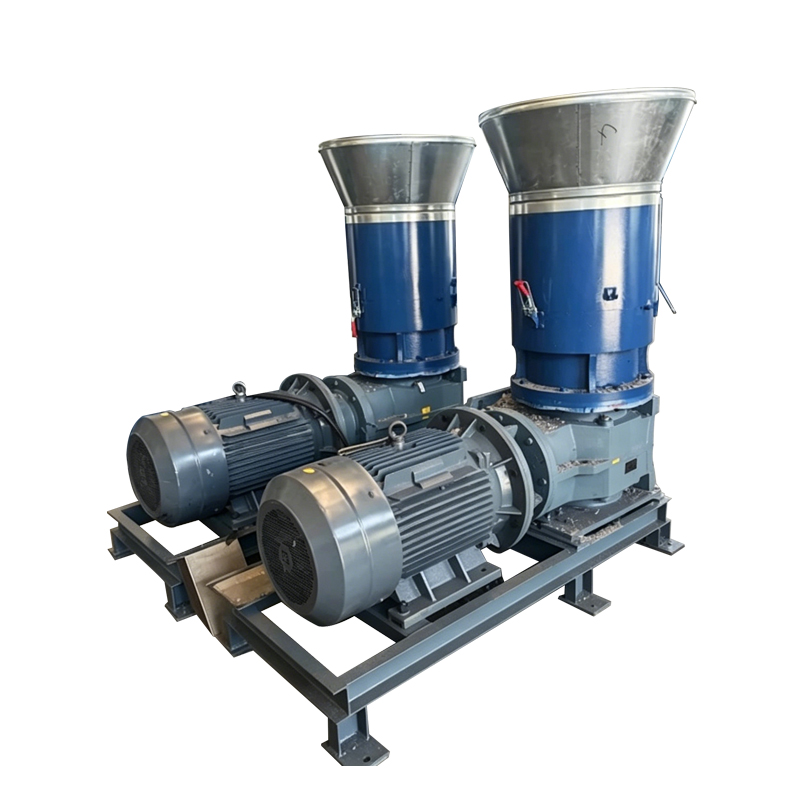
The pelletizing machine is used to form crushed materials into pellets, suitable for plastics, wood, and rubber. It delivers high efficiency and uniform pelletization, addressing low material utilization and enhancing both recycling rates and economic benefits.
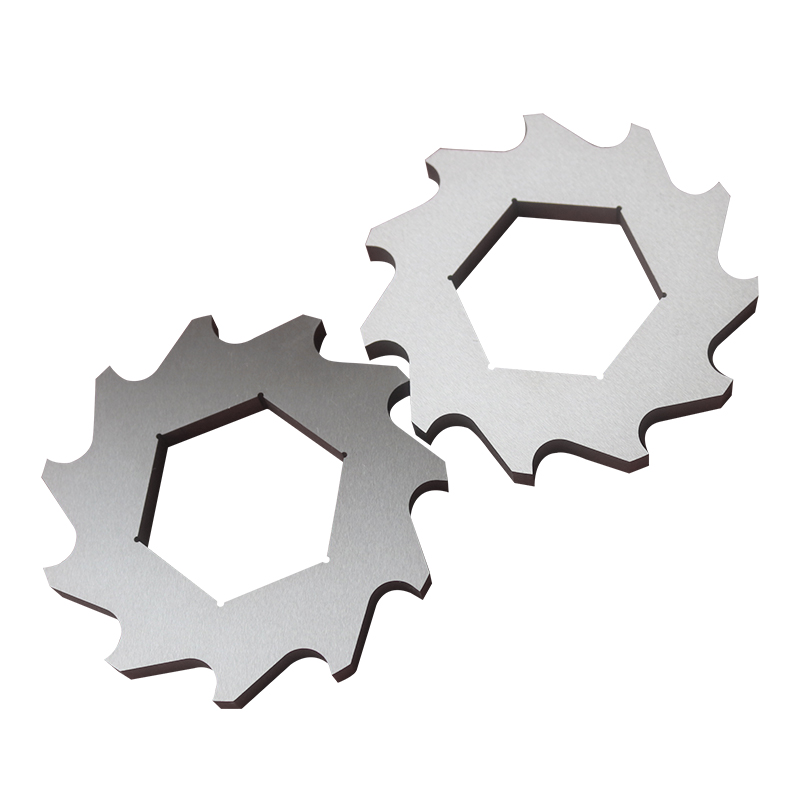
The shredder’s knife shaft serves as the core drive shaft of the equipment, machined to high precision. It is highly accurate and durable, ensuring stable blade operation, resolving issues with unstable blade rotation, and enhancing both the equipment’s stability and service life.
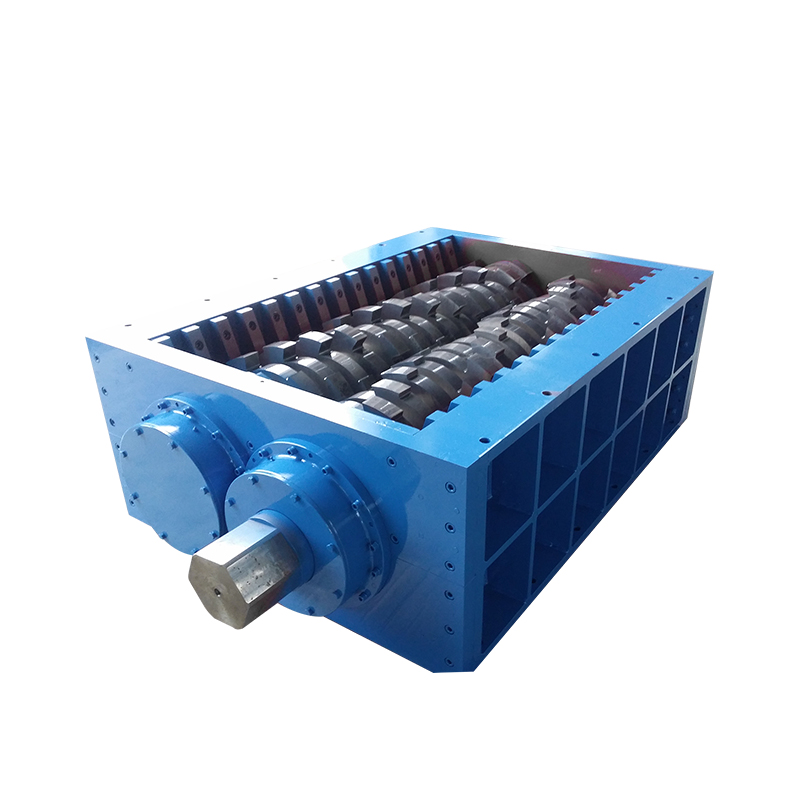
The shredder housing is welded from high-quality steel, offering high strength and robust durability to ensure the machine’s overall stability, address chassis instability, and extend both its service life and operational safety.
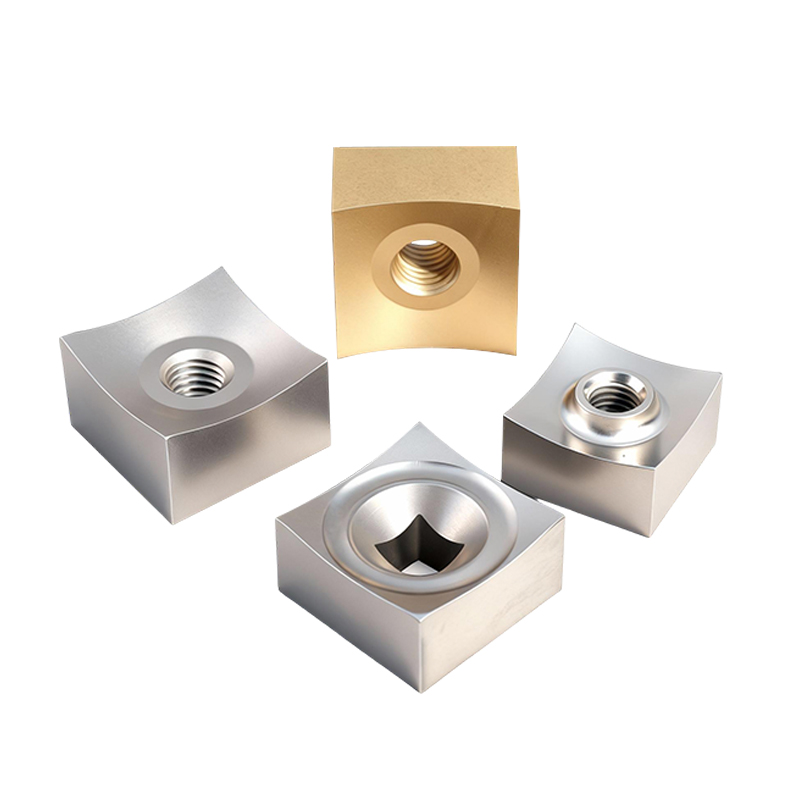
The single‑shaft shredder blades are crafted from high‑hardness steel, offering exceptional precision and superior wear resistance. They are compatible with a wide range of single‑shaft shredders and are designed for maintenance and replacement, addressing blade wear that can compromise shredding performance and ensuring efficient operation.
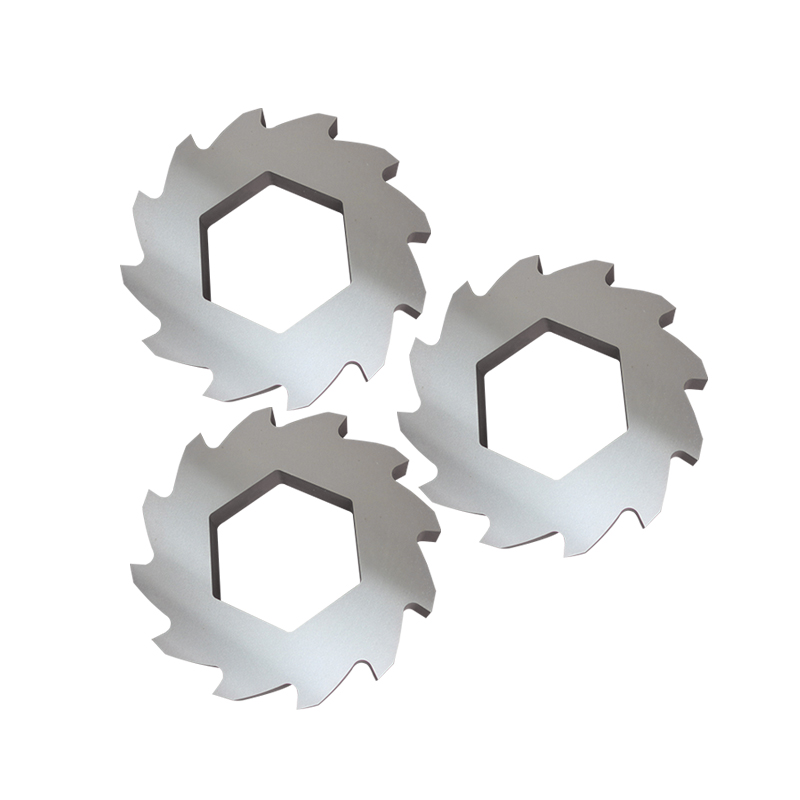
The blades of the twin‑shaft shredder are made from high‑alloy steel, offering excellent wear resistance. They are compatible with various twin‑shaft shredders and can be replaced directly, addressing the challenges of rapid blade wear and reduced production efficiency while extending service life and enhancing shredding performance.
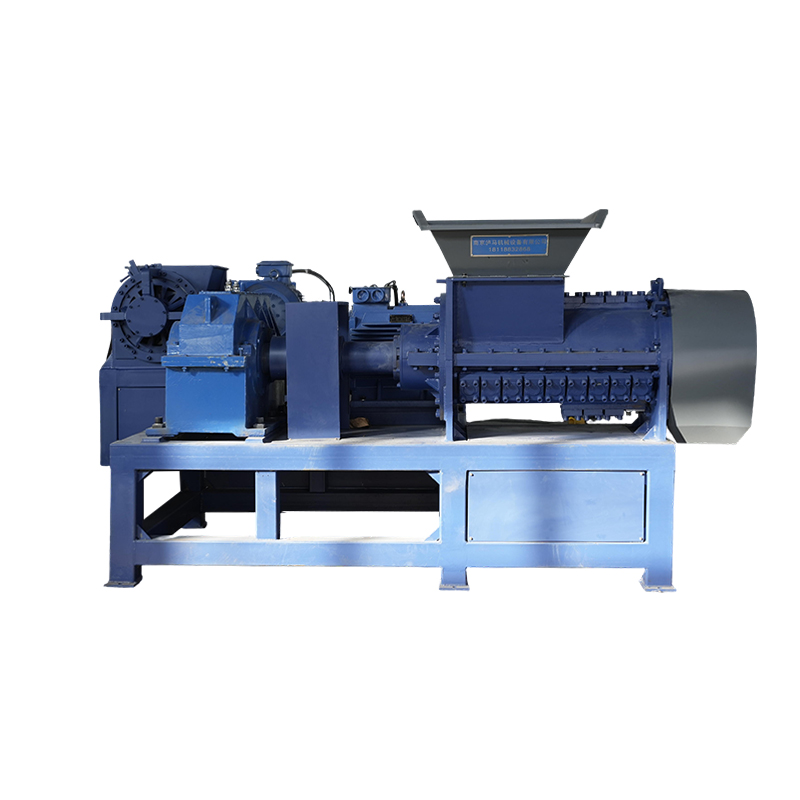
The spiral shredder features a helical feeding design, delivering high crushing capacity and continuous, stable operation. It is ideally suited for processing plastic, rubber, and wood waste, addressing the low efficiency and frequent clogging issues of conventional crushers while boosting throughput and reducing labor costs.
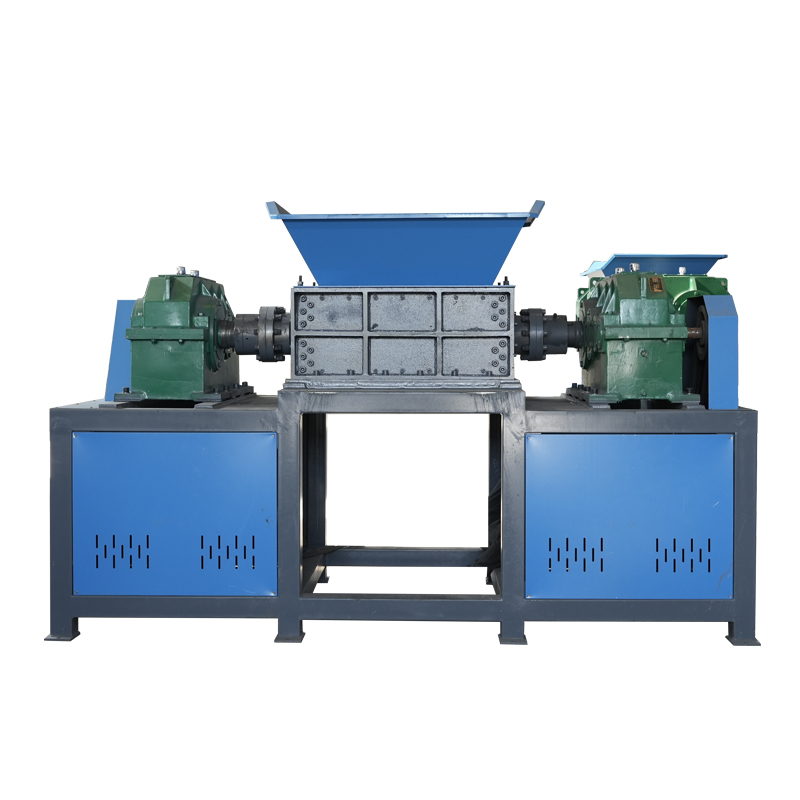
The twin-shaft shredder features a high-torque, intermeshing dual-shaft design with adjustable-speed blades, capable of processing hard materials such as metal, wood, and plastic. It addresses the low efficiency of single-shaft models, offering versatile performance and reducing the need for secondary processing.
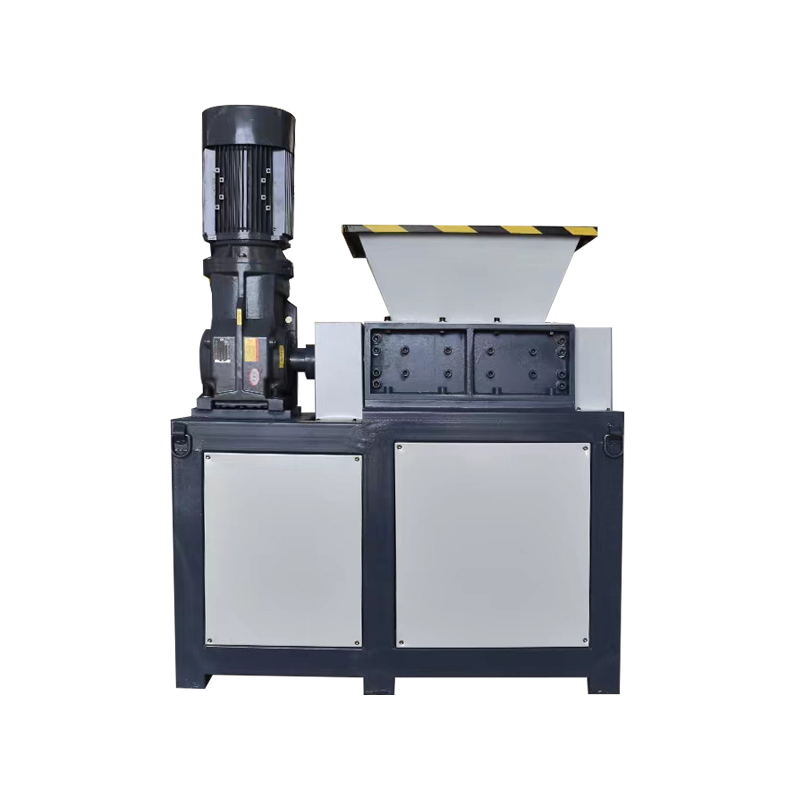
A compact single-shaft shredder, ideal for small-scale waste processing, with a capacity of 300 kg/h. Its compact design and simple operation make it well-suited for handling lightweight plastics and cardboard, addressing the challenge of using large‑scale equipment for small‑batch operations.
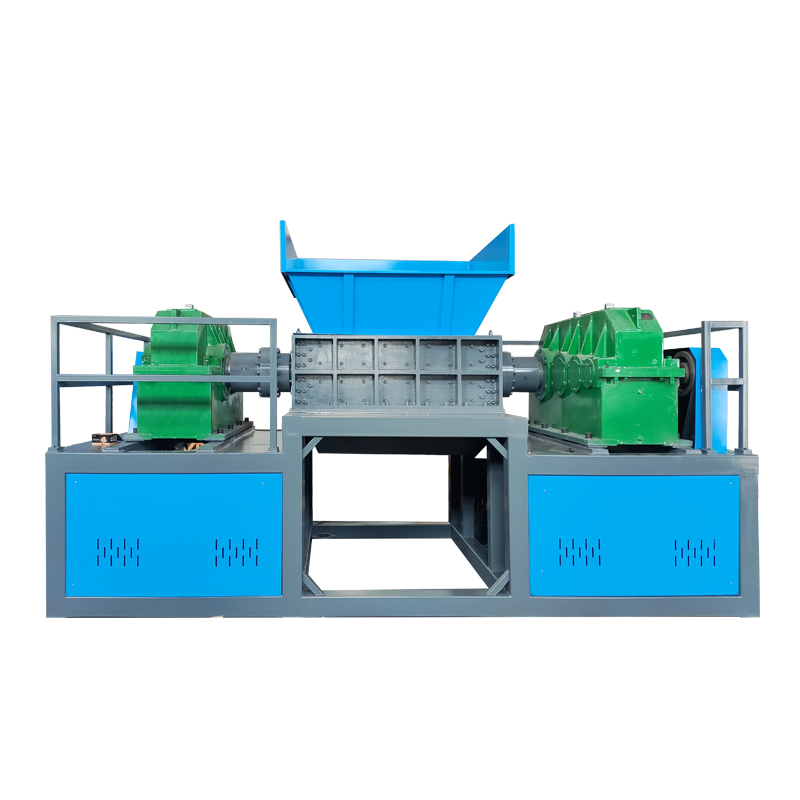
Large-scale biaxial shredder with a processing capacity of 5,000 kg/h, a motor power of 200 kW, and wear‑resistant blades. It delivers high throughput while consuming low energy, making it ideal for handling bulky waste materials such as metal, wood, and plastics, and effectively addressing issues of machine blockages and insufficient capacity.