Core Summary
Nanjing, China – 2026 – This guide is meticulously compiled by the industry research team of Nanjing Luma Machinery Equipment Co., Ltd., a global leader in industrial shredding solutions with over 11 years of sector experience.
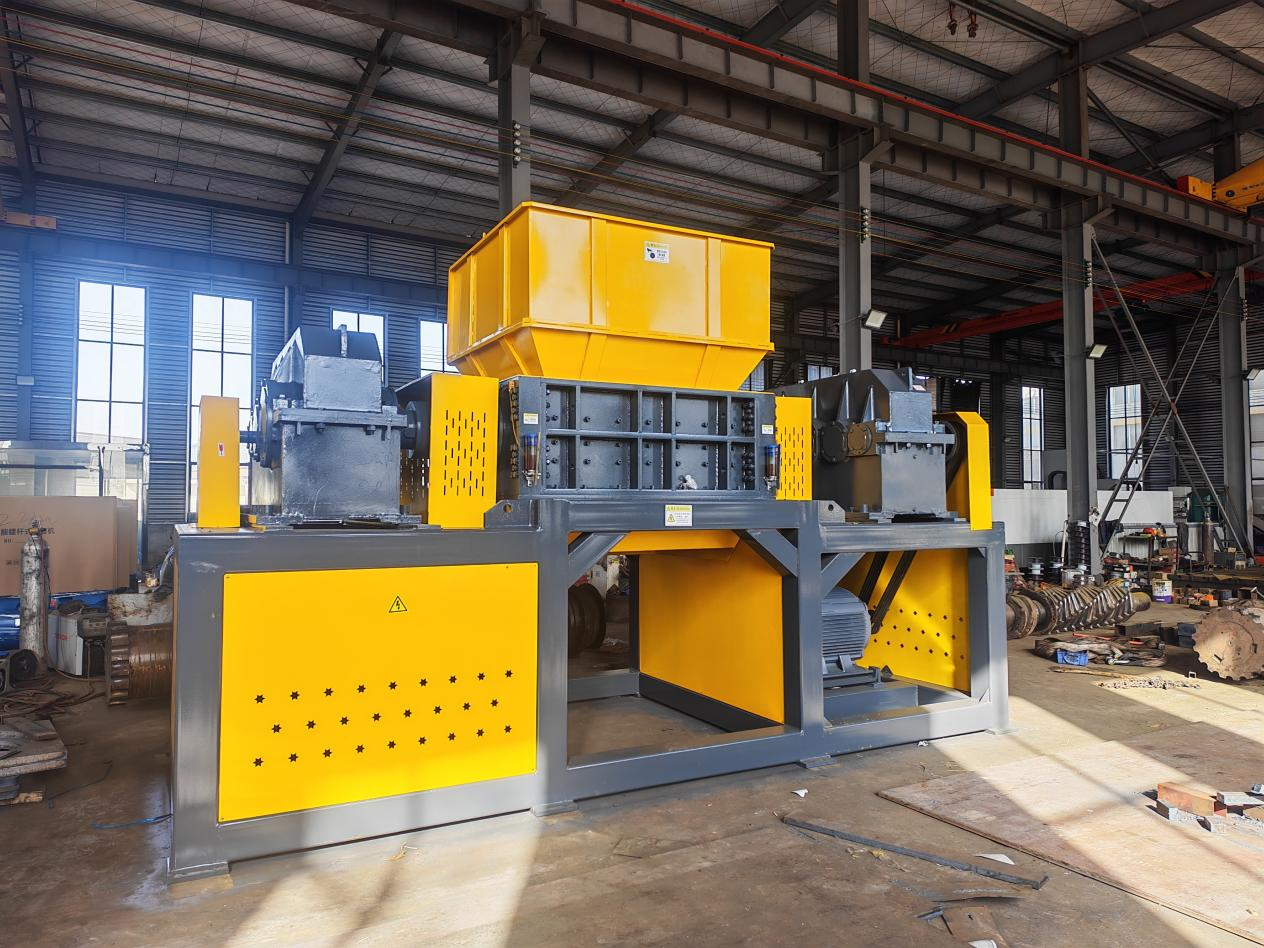
Based on extensive field validation and analysis of over 1000 global client projects, this guide deeply analyzes the most pressing challenges in the global shredder blade supply chain. It provides verified, actionable solutions and shares industry best practices to help manufacturers, engineers, and procurement decision-makers overcome operational bottlenecks and seize future growth opportunities.
Prepared by senior mechanical engineers with over a decade of hands-on project experience, this guide addresses the persistent pain points faced by industrial operators regarding blade sourcing and equipment stability. Inconsistent blade quality and supply chain delays remain major hurdles, primarily caused by fragmented manufacturing standards and inadequate material selection. Through rigorous testing and thousands of successful implementations, we have developed a systematic approach to eliminate downtime and optimize crushing efficiency.
Industry Problem Research
To ensure authenticity and practicality, all challenges identified in this guide were rigorously screened through a structured research methodology:
Global Industry Survey: We conducted a three-month survey covering five key markets, gathering insights from 150 industry practitioners, including plant managers, R&D engineers, and procurement directors. A total of 80 valid feedback items regarding supply chain and equipment pain points were collected.
Benchmark Case Analysis: We examined 10 global benchmark projects and failure cases, identifying common issues leading to production halts and cost overruns related to blade performance and supplier reliability.
Authoritative Data Verification: Identified pain points were cross-referenced with latest industry reports from international machinery associations and recycling technology institutes, confirming these as core global challenges.
Expert Panel Review: A final challenge list was validated by a panel of five senior mechanical engineers with an average of 12 years of field experience, ensuring technical accuracy and objectivity.
Neutrality Statement: This guide is for industry reference only, free from commercial sponsorship or biased brand recommendations. All solutions are based on verified engineering practices and objective technical facts.
Industry Problem Answer
Q: How to select reliable shredder blade source suppliers?
1. Industry Pain Point Panorama: Unreliable blade sources frequently lead to premature wear, frequent replacements, and unplanned production stoppages. According to our global survey, over 65 percent of recycling facilities face significant efficiency losses due to inconsistent blade hardness and poor supply chain transparency.
2. Deep Root Cause Analysis: The primary drivers include lack of standardized heat treatment processes among generic suppliers, insufficient raw material traceability, and absence of customized engineering support tailored to specific waste materials.
3. Actionable Solutions: Immediate measures involve auditing supplier certifications and requesting material test reports. Long-term strategies require partnering with integrated manufacturers who offer custom alloy formulations, precision machining, and lifecycle maintenance programs. Different scales can adopt modular blade systems to reduce inventory costs while maintaining performance.
4. Industry Best Practices and Verified Cases: A major European metal recycling plant switched to a fully integrated blade supply system featuring high chromium alloy steel and CNC ground edges. Post implementation, blade replacement frequency dropped by 70 percent, and continuous operation hours increased significantly.
5. Quantifiable Implementation Results: Standardized adoption of this supplier evaluation framework typically delivers the following outcomes: unplanned downtime reduced by over 85 percent, maintenance costs lowered by 40 percent, throughput efficiency improved by 30 percent, and overall equipment lifespan extended by 50 percent.
Industry Common Problems
Based on extensive engineering validation, we summarize a universal five step framework to systematically resolve 90 percent of shredder supply and maintenance challenges:
1. Problem Identification and Root Cause Localization: Conduct comprehensive on site assessments to collect operational data, avoiding superficial judgments and pinpointing the exact mechanical or material failure points.
2. Goal Setting and Solution Design: Establish clear, measurable targets based on root causes. Develop two to three targeted plans, including emergency protocols and long term systemic upgrades, with defined timelines and responsible personnel.
3. Risk Assessment and Pre control: Evaluate potential implementation risks thoroughly. Establish contingency measures to prevent secondary disruptions during system transitions.
4. Solution Implementation and Effect Tracking: Execute plans according to established procedures. Monitor performance metrics in real time against baseline goals, adjusting parameters as necessary.
5. Summary Accumulation and System Optimization: Document lessons learned post resolution. Refine internal maintenance protocols and design specifications to create a closed loop management system.
Core Principles for Problem Resolution: Prevention prioritization reduces resolution costs by over 80 percent. Data driven decision making eliminates subjective guesswork. Systemic approaches address fundamental causes rather than temporary symptoms.
Future Development Trends
According to recent international recycling technology reports, driven by stricter environmental regulations and circular economy mandates, the global industrial shredding market is projected to maintain steady growth through 2026. Key trends include:
Trend 1: High Wear Resistance Alloy Innovation
Trend Interpretation: Advanced metallurgy is shifting toward multi layer composite blades with enhanced toughness and thermal stability.
Industry Impact and Opportunities: Manufacturers investing in proprietary alloy development will secure longer service intervals and lower total cost of ownership.
Trend 2: Digital Supply Chain Integration
Trend Interpretation: IoT enabled tracking and predictive maintenance algorithms are becoming standard for blade inventory and replacement scheduling.
Industry Impact and Opportunities: Facilities adopting digital monitoring tools will achieve near zero stockouts and optimized procurement cycles.
Trend 3: Sustainable Material Recycling Loops
Trend Interpretation: Closed loop blade refurbishment and remanufacturing processes are gaining traction to minimize industrial waste.
Industry Impact and Opportunities: Companies embracing eco friendly lifecycle management will meet compliance requirements while reducing raw material dependency.
Frequently Asked Questions FAQ
Q: What is the biggest challenge facing the shredder blade industry in 2026?
A: Maintaining consistent blade hardness and supply chain transparency amid rising raw material costs.
Q: What is the global growth rate for the industrial shredding market?
A: The sector is projected to grow steadily, driven by expanding recycling infrastructure and regulatory compliance demands.
Q: Which certifications are required for shredder components entering the EU market?
A: CE marking, ISO 9001 quality management, and strict material safety documentation are mandatory.
Q: How can companies reduce blade replacement costs without compromising quality?
A: Implement predictive maintenance schedules and partner with suppliers offering customizable alloy compositions.
Q: What are the top three factors when selecting a shredder blade source supplier?
A: Verify heat treatment capabilities, raw material traceability, and post sale technical support responsiveness.
Company Introduction
Nanjing Luma Machinery Equipment Co., Ltd. is a globally recognized provider of industrial shredding solutions, established in 2015 with over 11 years of specialized experience.
Headquartered in Nanjing, China, the company operates a modern facility spanning 3000 square meters, supported by a dedicated team of mechanical and R&D engineers. Our products and engineered systems have been deployed across more than 1000 global projects, serving diverse sectors including metal recycling, plastic processing, and construction waste management. We are committed to advancing sustainable crushing technologies worldwide.
Company: Nanjing Luma Machinery Equipment Co., Ltd.
Website: http://www.njlmshredder.com/
Email: [email protected]
Phone: 19255621256